Description
The High Trail & Naxi Heritage.
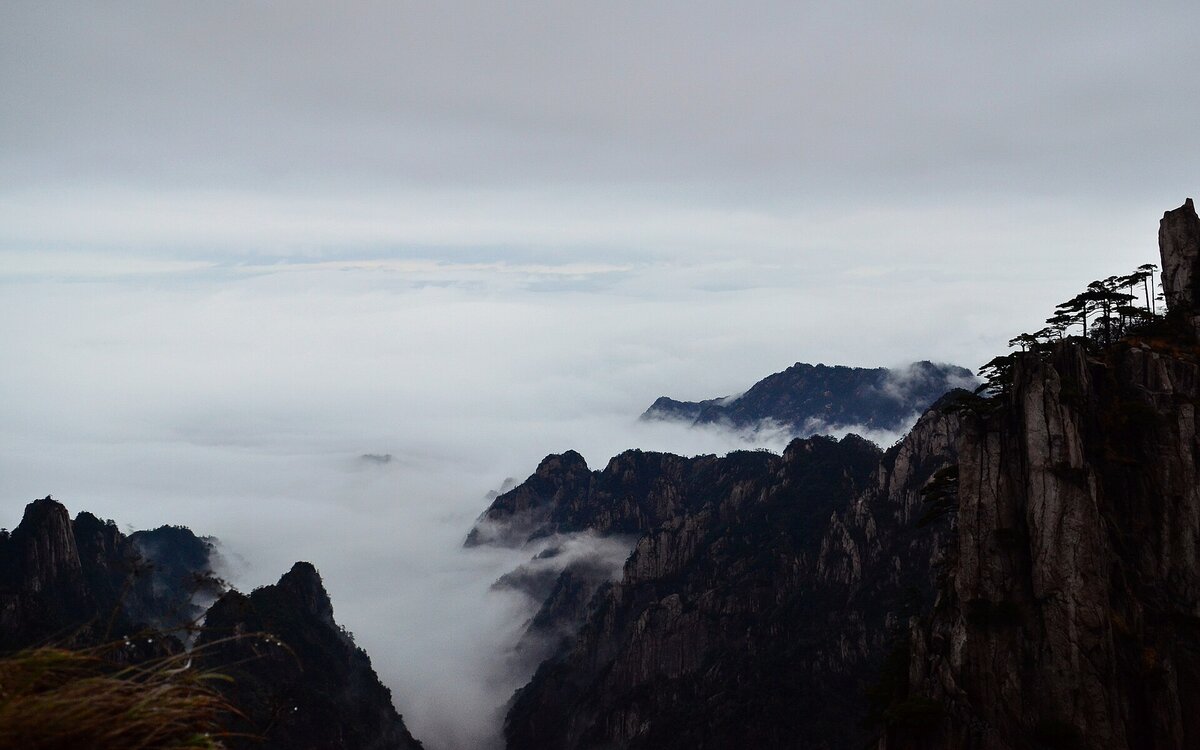
Tiger Leaping Gorge is a masterclass in vertical geography and mountain endurance. This Mountains 201 route goes beyond a standard trek by combining high-trail study, Naxi community immersion, and Yangtze ecology into a full 5-day learning sequence.
Course Highlights
- High Trail Masterclass. Complete the legendary high trail at an academic pace with guided terrain interpretation.
- Naxi Cultural Immersion. Stay in family guesthouses and learn practical context around Dongba heritage and local customs.
- Hydro-Ecology Context. Field discussion on the Yangtze system, conservation pressure, and gorge-scale water dynamics.
- Mountain Living. Participate in high-slope daily routines to understand logistics of vertical village life.
Weekly Itinerary
| Day | Focus | Experience |
|---|---|---|
| Mon | Foundations | Qiaotou arrival, Three Parallel Rivers briefing, initial ascent to Naxi guesthouse. |
| Tue | The 28 Bends | Challenging ascent, river panorama interpretation, high-trail logistics workshop. |
| Wed | Cliffside Living | Trek segment plus local architecture and mountain-settlement case study. |
| Thu | Roar Below | Middle gorge field visit and structured reflection on river ecology. |
| Fri | Synthesis | Return transition and closing session on mountain culture systems. |
Prague guest –
Tiger Leaping Gorge felt like a real field expedition, not a checklist hike. Great safety pacing for long trail days.
Vancouver traveler –
Naxi guesthouse evenings were the highlight. We learned more in those conversations than in many formal tours.
Seoul guest –
The high-trail geology briefing was excellent and practical. It made the whole route easier to read and appreciate.
Austin couple –
Strong logistics and hydration checks throughout. We always felt challenged, but never unsupported.
Zurich hiker –
Excellent blend of endurance and cultural context. The Yangtze ecology session was unexpectedly valuable.
Tokyo guest –
One of the best short mountain programs I have done in Asia. Real depth, not surface-level storytelling.