Table of Contents 1. Introduction 2. Editor's Picks 3. A Jewel of Guangxi: The White-Headed Langur 4. Conservation Status and Threats 5. Comparing Primate Conservation: Langurs, Orangutans, and Chimpanzees 6. Deep Dive China's Role in Langur Conservation 7. FAQ 8. References
Introduction
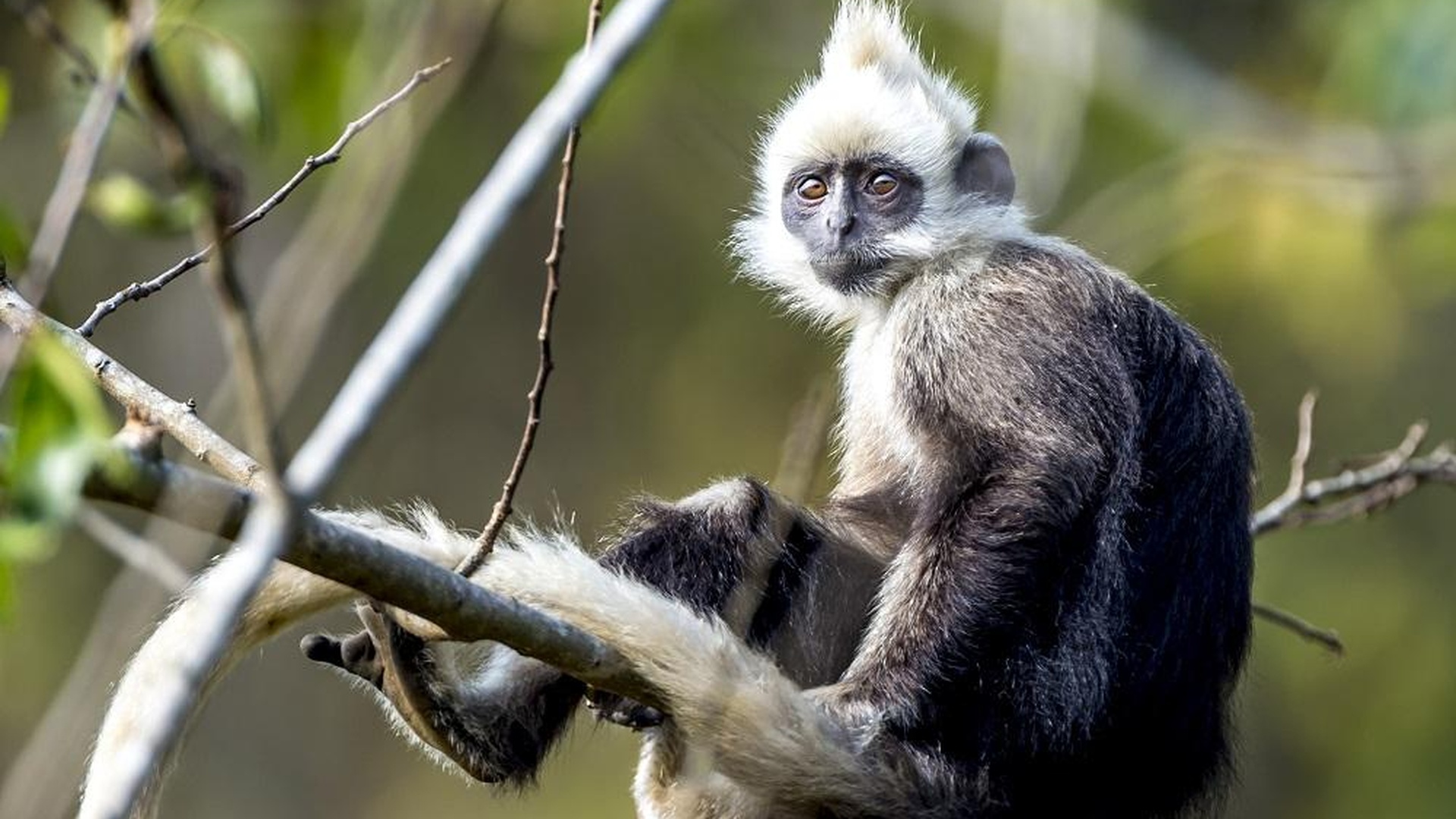
In the dramatic karst landscapes of Guangxi, Southern China, resides one of the world's most critically endangered primates: the White-headed Langur (Trachypithecus leucocephalus). With its distinctive white head and shoulders contrasting against a sleek black body, this langur is not only a symbol of China's rich biodiversity but also a poignant reminder of the urgent need for primate conservation globally. Its rarity and unique ecological niche draw parallels to other iconic great apes like Indonesia's Orangutans and Uganda's Chimpanzees, highlighting a shared struggle for survival in a rapidly changing world.
This in-depth SEO article delves into the fascinating world of the White-headed Langur, exploring its habitat, behavior, and the dedicated efforts to protect it. We will also draw comparisons with its primate cousins, emphasizing the interconnectedness of global conservation efforts and the critical role of responsible eco-tourism in safeguarding these magnificent creatures.
Editor's Picks
For those captivated by the allure of rare primates and committed to their preservation, here are our top recommendations for engaging with the White-headed Langur and understanding broader primate conservation:
| Focus Area | Key Experience | Why It's Essential |
|---|---|---|
| Langur Observation | Guided tours in Chongzuo White-headed Langur National Nature Reserve | Witnessing these elusive primates in their natural karst habitat, often with expert local guides. |
| Conservation Immersion | Learning about Huawei's tech-driven conservation initiatives | Understanding how cutting-edge technology aids in monitoring and protecting the langurs. |
| Comparative Primate Study | Exploring the conservation challenges of Orangutans and Chimpanzees | Gaining a global perspective on primate threats and the diverse strategies employed for their survival. |
A Jewel of Guangxi: The White-Headed Langur
The White-headed Langur is endemic to a small region in Guangxi, China, primarily found within the Chongzuo White-headed Langur National Nature Reserve and the Nonggang National Nature Reserve [1]. These reserves are characterized by their unique limestone karsts, which provide both shelter and a diverse diet for the langurs. Their diet consists mainly of leaves, fruits, and flowers, making them crucial seed dispersers within their ecosystem.
One of the most striking features of the White-headed Langur is the stark color contrast between adults and infants. While adults boast a distinctive white head and black body, newborns are born with a vibrant golden-orange fur, which gradually darkens as they mature [2]. This striking coloration is thought to aid in group recognition and care, as alloparenting (care by individuals other than the parents) is common within langur troops.
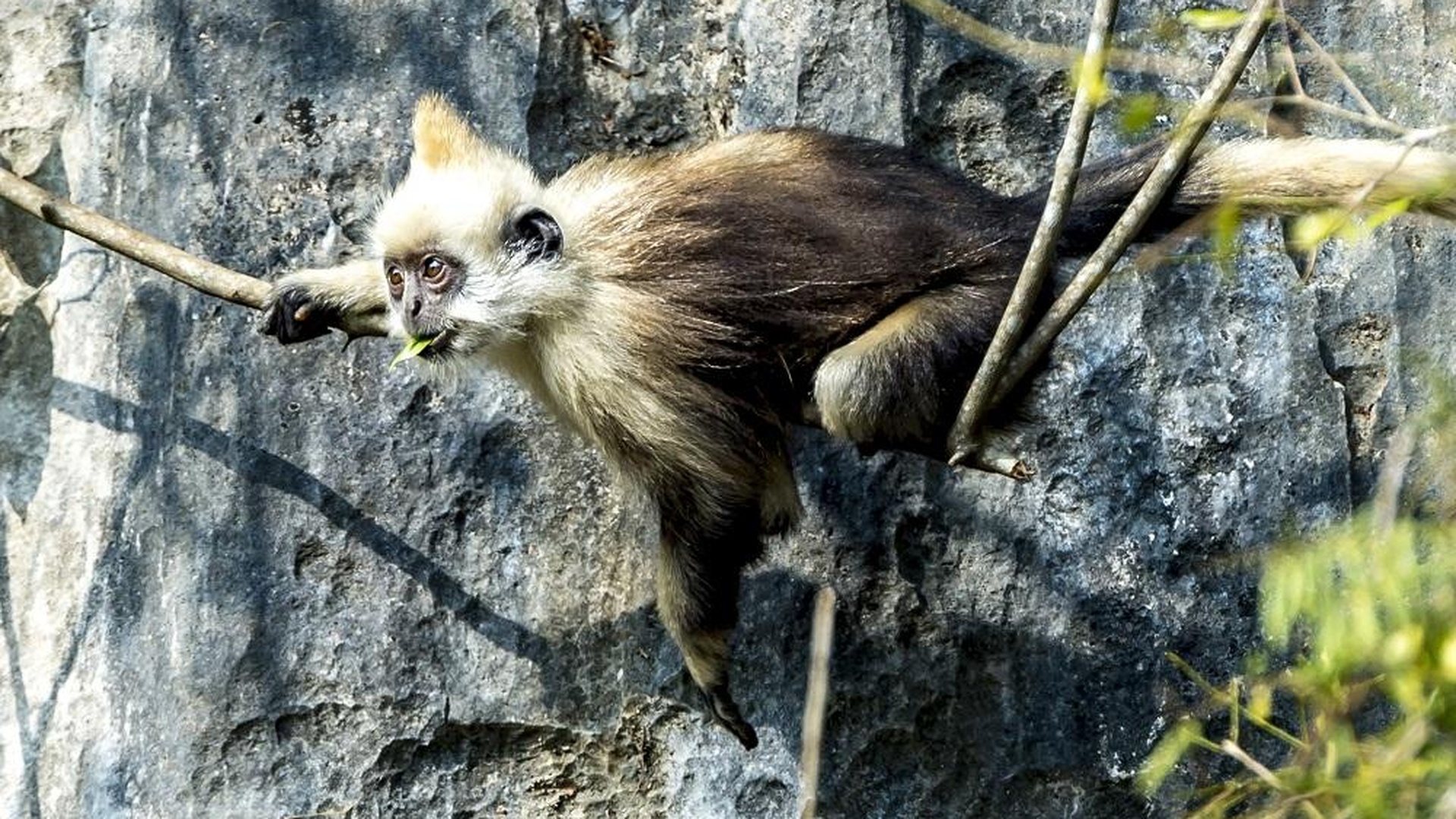
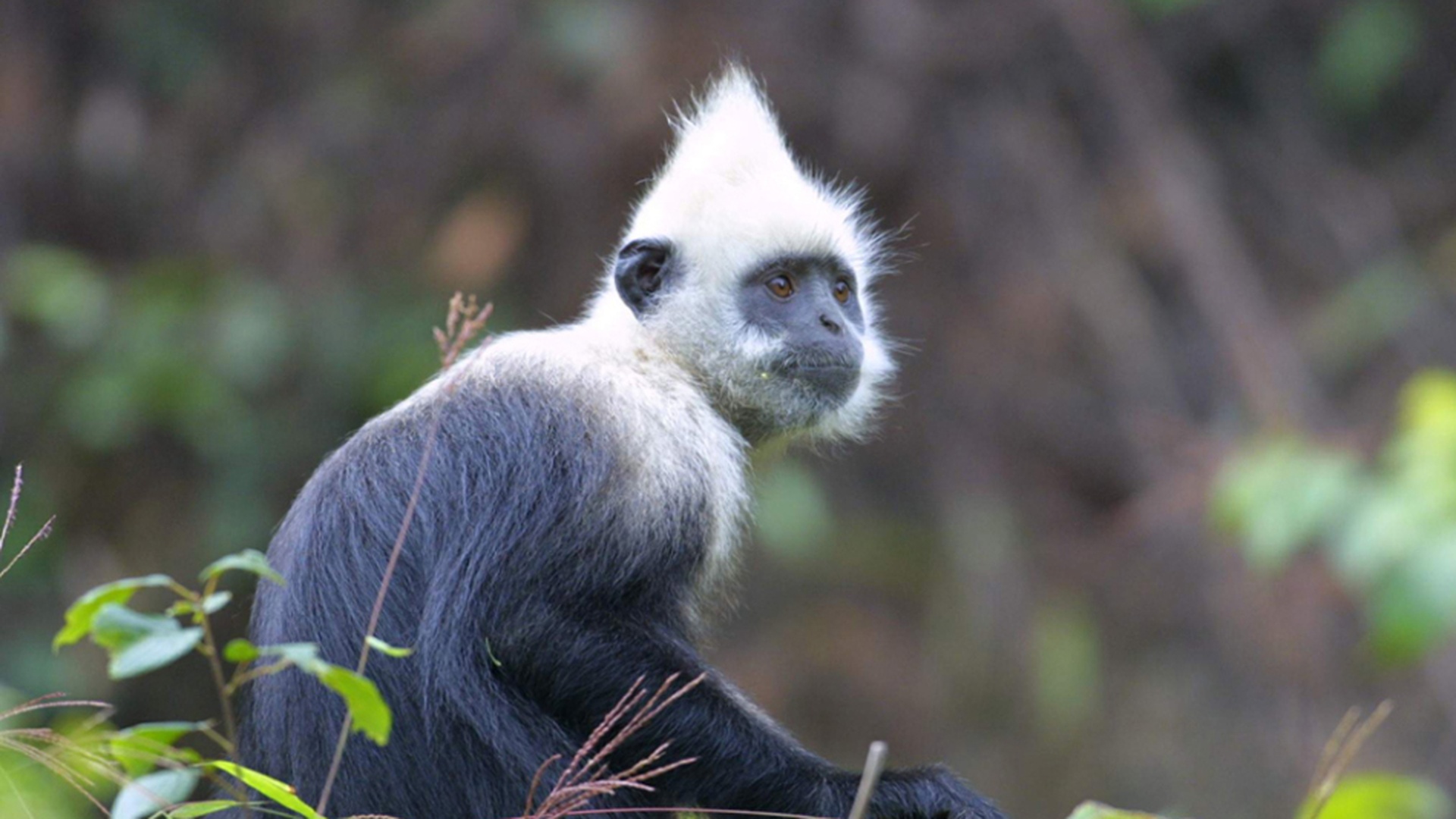 Adult white-headed langur in Guangxi karst forest; newborns are golden-orange before the adult black-and-white coat develops.
Conservation Status and Threats
The White-headed Langur is classified as Critically Endangered by the IUCN Red List of Threatened Species, facing an extremely high risk of extinction in the wild [3]. Their population, though showing signs of recovery due to intensive conservation efforts, remains fragile. In 2024, reports indicated a growing population, a testament to the success of habitat restoration and protection programs [4].
The primary threats to the White-headed Langur include:
- Habitat Loss and Fragmentation: The expansion of agriculture, infrastructure development, and illegal logging have severely reduced and fragmented their karst forest habitat.
- Poaching: Although less prevalent now, historical poaching for traditional medicine and bushmeat contributed to their decline.
- Human Disturbance: Increased human activity near their habitats can disrupt their natural behaviors and breeding patterns.
Conservation efforts have been multifaceted, involving strict protection within nature reserves, habitat restoration (including planting native tree species), and the establishment of artificial drinking water sources [4]. Technology, such as infrared cameras and AI-driven monitoring systems, plays an increasingly vital role in tracking langur populations and preventing illegal activities.
Comparing Primate Conservation: Langurs, Orangutans, and Chimpanzees
The conservation challenges faced by the White-headed Langur resonate with those confronting other iconic great apes across the globe. While geographically distant and taxonomically distinct, the plight of the White-headed Langur, Indonesia's Orangutans (Pongo spp.), and Uganda's Chimpanzees (Pan troglodytes) underscores universal themes in primate conservation.
| Primate Species | Geographic Range | IUCN Status | Primary Threats | Conservation Strategies |
|---|---|---|---|---|
| White-headed Langur | Guangxi, China | Critically Endangered | Habitat loss, fragmentation, human disturbance | Reserve protection, habitat restoration, tech-driven monitoring |
| Orangutan | Borneo, Sumatra (Indonesia, Malaysia) | Critically Endangered | Habitat loss (palm oil, logging), poaching, illegal pet trade | Forest protection, rehabilitation centers, community engagement |
| Chimpanzee | West & Central Africa | Endangered | Habitat loss, poaching, disease, bushmeat trade | National parks, anti-poaching patrols, community education |
Like the White-headed Langur, Orangutans are facing catastrophic habitat loss, primarily due to the expansion of palm oil plantations and logging in Borneo and Sumatra. Their arboreal lifestyle makes them particularly vulnerable to deforestation. Conservation efforts focus on protecting remaining forest fragments, rehabilitating orphaned orangutans, and promoting sustainable palm oil production.
Chimpanzees, found across a wide range in Africa, are threatened by habitat destruction, poaching for bushmeat, and the illegal pet trade. Diseases, often transmitted from humans, also pose a significant risk. Conservation strategies for chimpanzees include establishing and enforcing national park boundaries, anti-poaching initiatives, and community outreach programs to reduce human-wildlife conflict.
The common thread among these species is the critical importance of habitat protection and community involvement. Whether it's the karst forests of Guangxi, the rainforests of Borneo, or the savannas and forests of Africa, safeguarding their natural homes is paramount. Furthermore, engaging local communities in conservation efforts, providing alternative livelihoods, and fostering a sense of stewardship are vital for long-term success.
Deep Dive China's Role in Langur Conservation
Deep Dive China is committed to supporting the conservation of the White-headed Langur through responsible eco-tourism and educational initiatives. Our expeditions to Guangxi offer travelers a unique opportunity to witness these rare primates in their natural habitat, learn about ongoing conservation projects, and contribute directly to their protection. We partner with local reserves and conservation organizations, ensuring that a portion of our proceeds goes towards habitat restoration and anti-poaching efforts.
Our expert-led tours emphasize ethical wildlife observation, adhering strictly to the principles of "No Interference, No Feeding, No Destruction." By choosing Deep Dive China, you are not just embarking on an adventure; you are becoming an active participant in the global effort to save our planet's most vulnerable primates.
FAQ
Q: Where is the best place to see White-headed Langurs in the wild? A: The Chongzuo White-headed Langur National Nature Reserve in Guangxi, China, is the premier destination for observing these primates in their natural karst habitat.
Q: Why are baby White-headed Langurs golden? A: The golden-orange fur of infants is thought to aid in group recognition and encourage alloparenting (care by other troop members), making them highly visible and easily identifiable as vulnerable young.
Q: How does the conservation of White-headed Langurs compare to Orangutans? A: Both species face severe threats from habitat loss and fragmentation. While Orangutans are primarily threatened by palm oil expansion and logging, White-headed Langurs are impacted by agriculture and infrastructure development in their restricted karst environment. Both require strict habitat protection and community engagement for survival.
Q: Can I volunteer to help White-headed Langurs? A: While direct volunteer opportunities with the langurs are limited due to their critically endangered status and the sensitivity of their habitat, you can support their conservation by participating in responsible eco-tourism, donating to recognized conservation organizations, and raising awareness about their plight.
References
[1] Cambridge University Press. (2024). Population dynamics and conservation status of the white-headed langur in the Chongzuo forest fragments, Guangxi, China. Retrieved from https://www.cambridge.org/core/journals/oryx/article/population-dynamics-and-conservation-status-of-the-whiteheaded-langur-in-the-chongzuo-forest-fragments-guangxi-china/B751E7BDC269EE0C7CD8FB90BD29DCEB [2] New England Primate Conservancy. (n.d.). White-Headed Black Langur, Trachypithecus leucocephalus. Retrieved from https://neprimateconservancy.org/white-headed-black-langur/ [3] Asia News Network. (2026). Tech-Driven Restoration: Saving the World's Critically Endangered White-headed Langur. Retrieved from https://asianews.network/tech-driven-restoration-saving-the-worlds-critically-endangered-white-headed-langur/ [4] AI Magazine. (2026). AI's Role in Saving the Endangered White-Headed Langur. Retrieved from https://aimagazine.com/news/huawei-tech-saving-white-headed-langur