Step Into the Eternal City
If Beijing is the face of modern China, Xi'an is its soul. Back in the day, it was called Chang'an, the capital for 13 dynasties and the starting point of the Silk Road. When I walk through these streets, I feel the weight of history—but in a cool, "Indiana Jones" kind of way, not a boring textbook way.
Every stone here has a story. Whether it’s the massive Ming-era City Walls or the underground armies of the First Emperor, Xi'an is an open-air museum. It’s where the East met the West for over a thousand years, and you can still taste that fusion in the food today.
Eddie’s Picks: The Soul of Xi'an
Xi'an is about grand scales and deep flavors. Here’s what I never miss:
| Experience | Why It’s Epic | Eddie’s Insider Tip |
|---|---|---|
| Cycling the City Wall | A 14km ride on the best-preserved wall in the world. | Go at sunset. The view of the old city against the modern skyline is 10/10. |
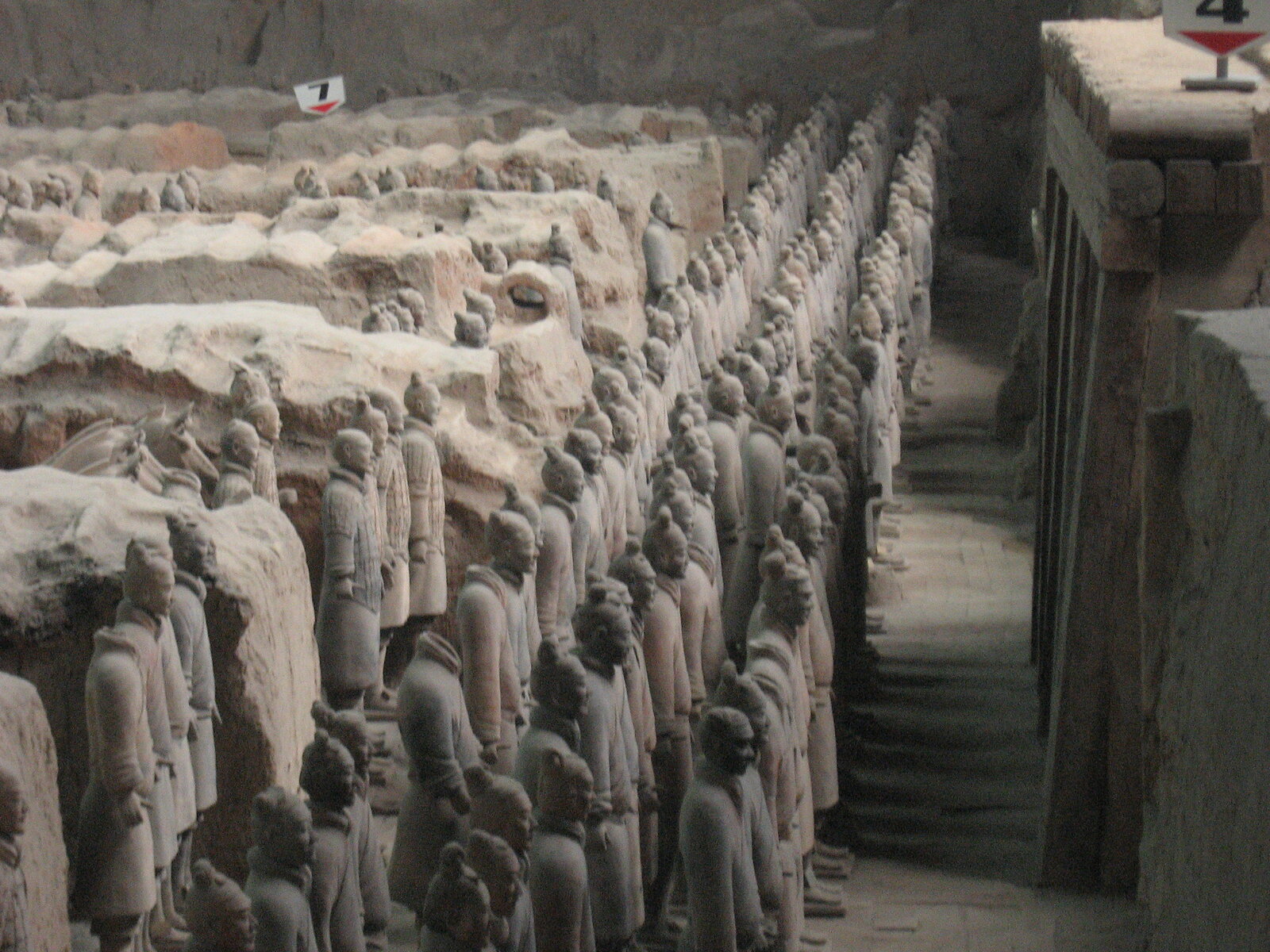
| The Terracotta Warriors | 8,000 soldiers, and no two faces are the same. | We do a "Pit 1 Private Viewing" to get you away from the megaphone crowds. |
| Tang Dynasty Dinner Show | A recreation of 8th-century music and dance. | It’s a bit touristy, but the "Golden Age" vibes are essential for context. |
| Great Mosque of Xi'an | A mix of Islamic and Chinese garden design. | It’s incredibly peaceful. A great place to escape the bustle of the market. |
The Terracotta Army: Face-to-Face with the First Emperor
Discovered in 1974 by a farmer digging a well, this is one of the greatest finds ever. I love taking people here with an archaeologist. Why? Because when you understand the restoration process and the philosophy of the afterlife that drove Emperor Qin Shi Huang, these "clay soldiers" suddenly feel very alive.
Tang Dynasty Splendor: When Xi'an Ruled the World
During the Tang Dynasty (618‒907 AD), Xi'an was the largest and most cosmopolitan city on Earth. The Giant Wild Goose Pagoda is the symbol of that era. In 2026, the Great Tang All Day Mall nearby is a dazzling district where history is brought to life with tech and performance. It’s where you see the "New Hanfu" trend at its peak!
The Silk Road Legacy: Eating My Way Through the Muslim Quarter
The Muslim Quarter (Huimin Jie) is my favorite place to eat in China. The Hui people have been here for a millennium, creating a food scene that’s legendary.
* Roujiamo: The "Chinese Burger"—slow-cooked meat in a crispy bun.
* Biang Biang Noodles: Thick, hand-pulled noodles named after the sound they make when they’re hit against the table.
* Yangrou Paomo: A ritual meal where you break your own bread into a lamb soup. It’s the ultimate "slow food."
Xi'an 2026: Hanfu Culture and Ancient Walls
In 2026, Xi'an is the capital of Hanfu culture. You’ll see locals and travelers alike dressed in beautiful Tang-style silk robes. It’s not a costume; it’s a celebration of heritage. Also, the new Shaanxi History Museum (Qin Han Branch) is a world-class masterpiece of exhibition design.
Eddie’s Cultural Explorer Tips
- Stay Inside the Wall: It makes exploring so much easier and more atmospheric.
- The "Golden Hour": The City Wall at sunset is the best photo op in the city.
- Hire a Specialist: To really "read" Xi'an, you need a guide who specializes in Silk Road history. (That’s where we come in!)
FAQs: Warriors, Walls, and Wheat
Q: How far are the Warriors?
A: About 45-60 minutes. We’ll get you there early to beat the big tour buses.
Q: Is it safe?
A: Extremely. Xi'an is one of the most hospitable and safe cities in China.
Q: Can I do it in a day?
A: You can take a high-speed train from Beijing for a day trip, but I recommend 2-3 days. You need at least two nights to eat all the food!
References for the History Buffs
[1] Xi'an Municipal Administration of Culture and Tourism.
[2] UNESCO World Heritage Centre - Mausoleum of the First Qin Emperor.
[3] Shaanxi Provincial History Museum.