If you’ve watched a Chinese porcelain lot land at Sotheby’s or Christie’s, you know the room goes quiet. I’m Eddie — and I want to connect that auction-house drama to something closer to home: the Guilin Museum’s world-class Ming meiping collection.
The billion-dollar brushstroke
Chinese ceramics trade as “blue chips” of the fine-art world. The Chenghua “chicken cup” and Qianlong famille-rose bowls make headlines because buyers are purchasing chemistry, court taste, and survival across dynasties — not just clay.
Masterpieces of the imperial kilns
Value stacks from three forces: Jingdezhen kaolin body, cobalt or famille enamel fused into the glaze, and provenance from imperial workshops or princely tombs. That triangle is why cataloguing and condition reports read like detective novels.
The pride of Guilin: Meiping vases
While the world watches Hong Kong salerooms, Guangxi holds a quieter crown: Ming blue-and-white meiping (plum vases) tied to the Jingjiang Princes. Burial customs left stunning pairs — narrow mouth, high shoulder, slender body — designed to hold a single flowering branch.
The Guilin Museum curates one of the largest coherent groups of these vases; dragon, phoenix, and narrative bands reward slow looking.
Eddie’s invitation
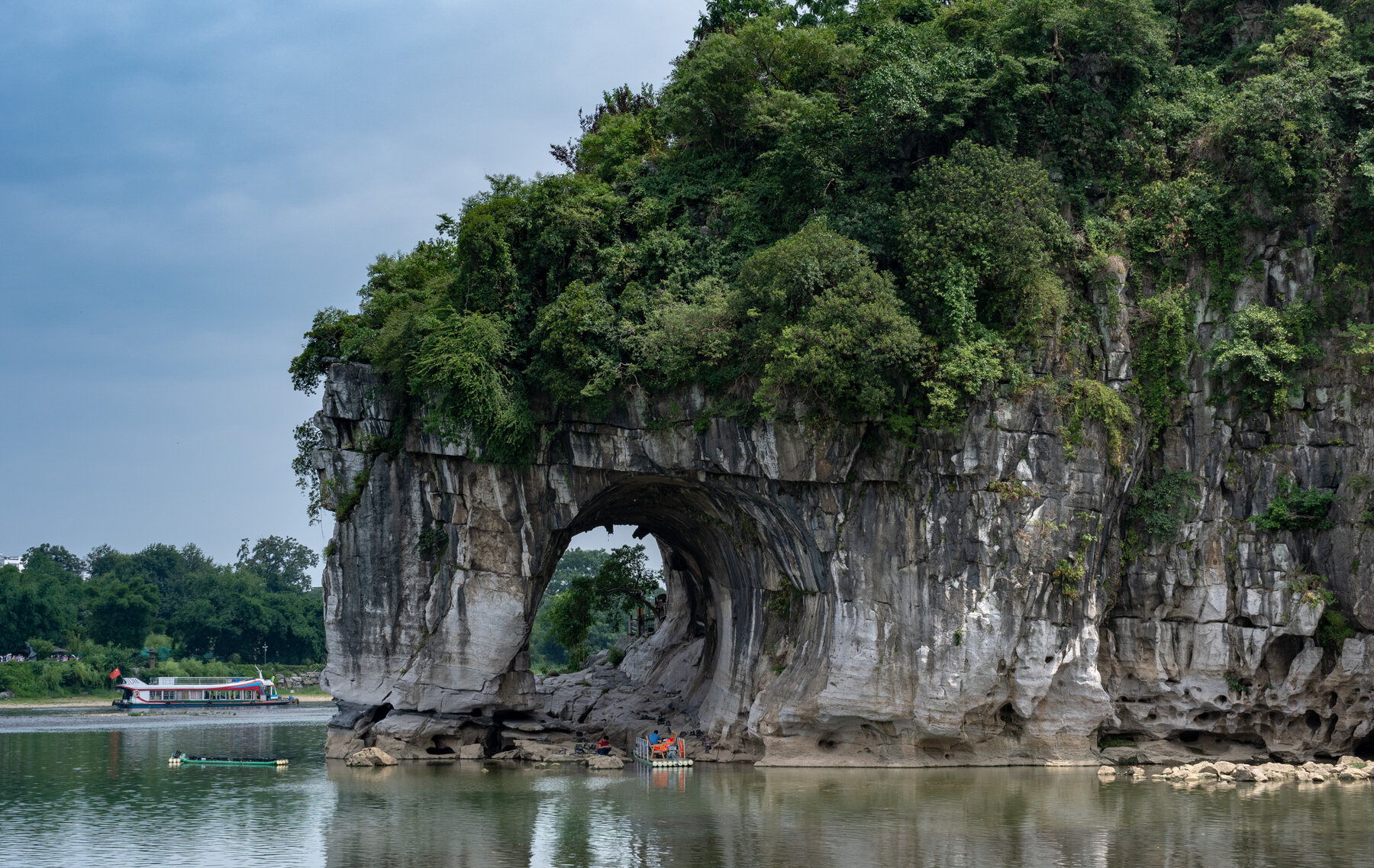
I grew up thinking they were “pretty jars” until years in New York and Paris recalibrated my eye. General admission to the Guilin Museum is free — pair a ceramics afternoon with Li River light and you’ll feel how cobalt glaze and karst haze rhyme.
FAQ
Why blue-and-white dominates?
Cobalt sits under a hard, high-fired glaze, so color stays legible for centuries.
Buying antiques in Guilin?
Assume reproduction unless a reputable specialist vouches; start with museum publications and licensed dealers.
Getting to the museum?
Lingui District; taxis and buses from downtown are straightforward.
References
- Sotheby’s Hong Kong: 50 Years of Chinese Ceramics (auction house education).
- Guilin Museum official materials on the Jingjiang Prince meiping holdings.
- Christie’s Education: introductions to Chinese blue-and-white technology.