Hey Explorers! Why Tea is My Ultimate "Zen" Recharge
In the fast-paced world of tech hubs like Shenzhen or the busy streets of Shanghai, it’s easy to get swept away by the "996" energy. But whenever I feel my "Global Soul" getting a bit too frantic, I turn to tea.
For me, tea isn't just a beverage; it’s a lifestyle. It’s the ritual that connects my Ivy League days at Cornell with my roots in the Guilin karst mountains. Whether I’m sharing a cup with a monk at Lingyin Temple or a tea farmer in the misty hills of Wuyishan, tea is the universal language of hospitality in China. It’s the ultimate bridge between people, and today, I want to share my personal "tea map" with you.
Eddie’s Picks: The "Big Four" Teas You Have to Try
If you’re just starting your tea journey, these are the varieties that I always keep in my pantry:
| Tea Type | The Vibe | Eddie’s Insider Tip |
|---|---|---|
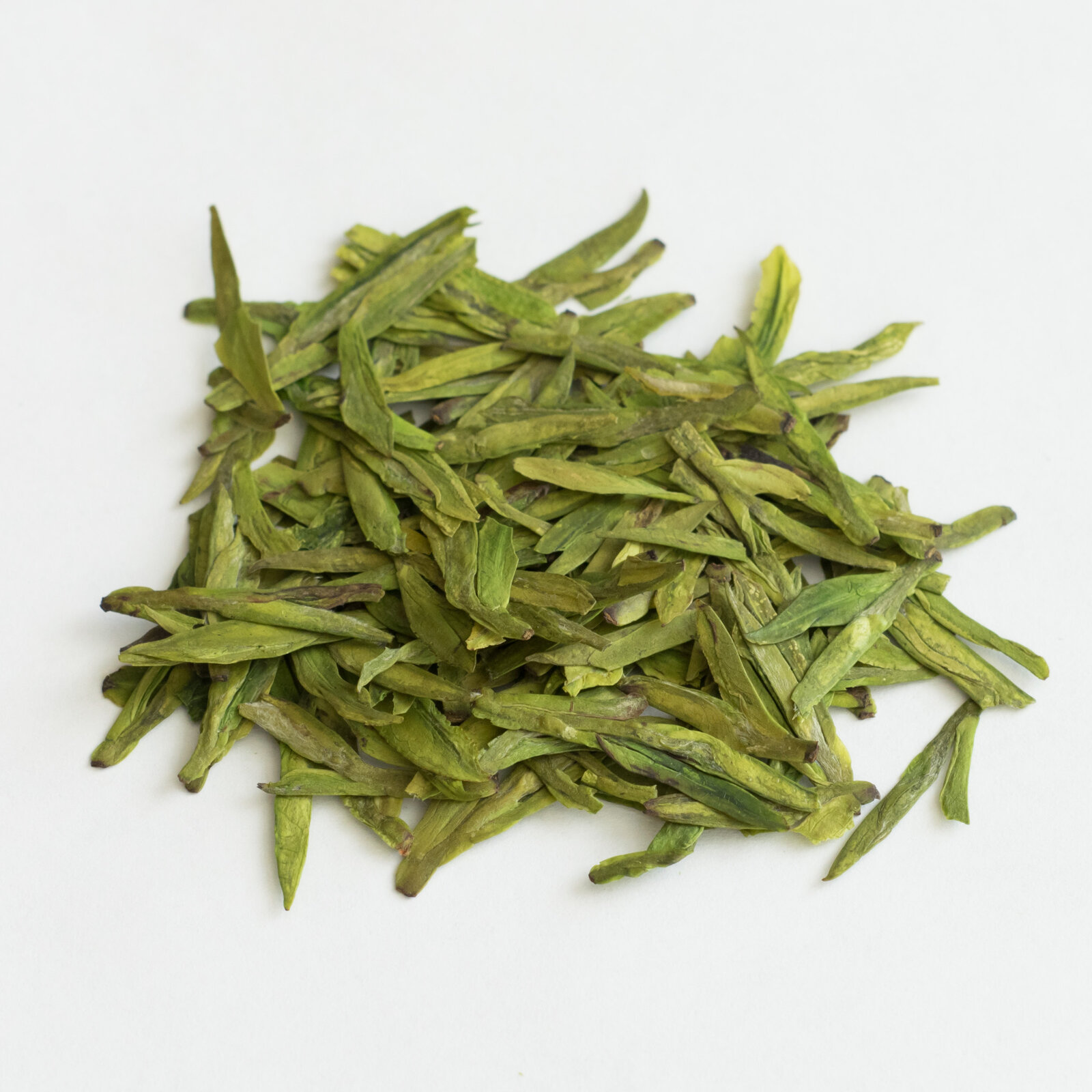
| West Lake Longjing | Fresh, Nutty, "Spring in a Cup" | Drink it from a tall glass so you can watch the leaves "dance." |
| Da Hong Pao (Oolong) | Smoky, Mineral, "Rock Rhyme" | The original mother bushes in Wuyishan are over 350 years old! |
| Pu-erh (Fermented) | Earthy, Deep, "Liquid Wisdom" | Like fine wine, it gets better (and more expensive) with age. |
| Silver Needle (White) | Delicate, Floral, "Pure Serenity" | Perfect for a hot afternoon in the Wutong District. |
Hangzhou: My Annual Pilgrimage to the Dragon Well (Longjing)
I make a point to visit Hangzhou every year. While most tourists crowd around the West Lake, I head straight for the hills—specifically Meijiawu or Longjing Village.
* The Experience: There’s nothing like sitting in a farmer’s courtyard, surrounded by emerald-green tea terraces, sipping a glass of freshly picked Longjing.
* The "Zen" Connection: After a morning at Lingyin Temple, a cup of "Dragon Well" tea is the perfect way to ground yourself. It’s the "recharge" I need before heading back to the urban jungle of Beijing or Shanghai.
Wuyishan: Tracking the "Big Red Robe" in the Karst Valleys
If Guilin is my first love for karst landscapes, Wuyishan is a close second. The "Rock Tea" (Yancha) grown here is legendary.
* The Trek: I remember hiking through the narrow, misty valleys to see the original Da Hong Pao mother bushes clinging to the cliffs. The mineral-rich soil gives the tea a unique "Yan Yun" (Rock Rhyme) that you won't find anywhere else.
* The Ritual: In Wuyishan, tea is a slow process. We use the Gongfu style—small pots, tiny cups, and multiple infusions. It’s the ultimate "Deep Dive" into sensory awareness.
The Modern Twist: "Stove-Boiled Tea" and New-Style Tea Drinks
China’s tea culture isn't just about ancient traditions; it’s evolving fast!
* "Stove-Boiled Tea" (Wei Lu Zhu Cha): This has become a massive trend in 2026. Friends sit around a charcoal stove, roasting oranges and chestnuts while the tea simmers. It’s the new "social hour" for young people in cities like Chengdu and Shenzhen.
* New-Style Tea: Brands like HeyTea or Nayuki have turned tea into a "cool" lifestyle product. Even if you’re a purist, you have to admire how they’ve brought tea back to the younger generation.
The Deep Traveler’s Tea Etiquette: How Not to Look Like a Tourist
- The "Finger Tap": When someone pours tea for you, tap two fingers on the table. It’s a silent "thank you" that dates back to the Qing Dynasty.
- Smell Before You Sip: Always appreciate the aroma of the dry leaves and the first infusion. It shows you’re a "connoisseur" (or at least trying to be!).
- Don't Drain the Pot: Leave a little water in the bottom before the next refill to keep the "soul" of the tea alive.
FAQs: Caffeine, Storage, and "Is Pu-erh Really Like Wine?"
Q: Does Chinese tea have a lot of caffeine?
A: Green tea has some, but the L-theanine keeps you calm. If you’re sensitive, stick to aged Pu-erh or White tea in the evenings.
Q: How should I store my tea?
A: Keep it away from light, heat, and strong smells (like your kitchen spices!). A sealed tin in a cool place is perfect.
Q: Is Pu-erh really an investment?
A: Yes! High-quality Pu-erh cakes from the 80s or 90s can sell for thousands of dollars. It’s literally "drinking history."
References for the Tea Nerds
[1] Zenia Tea. Mastering China Tea in 2026: A Practical Guide.
[2] Wild China. The 4 Tea Regions of China.
[3] People's Daily. How Chinese Tea Brands are Cultivating a Global Footprint.
Thirsty for more? DM me to start your deep dive into the world of Chinese tea!