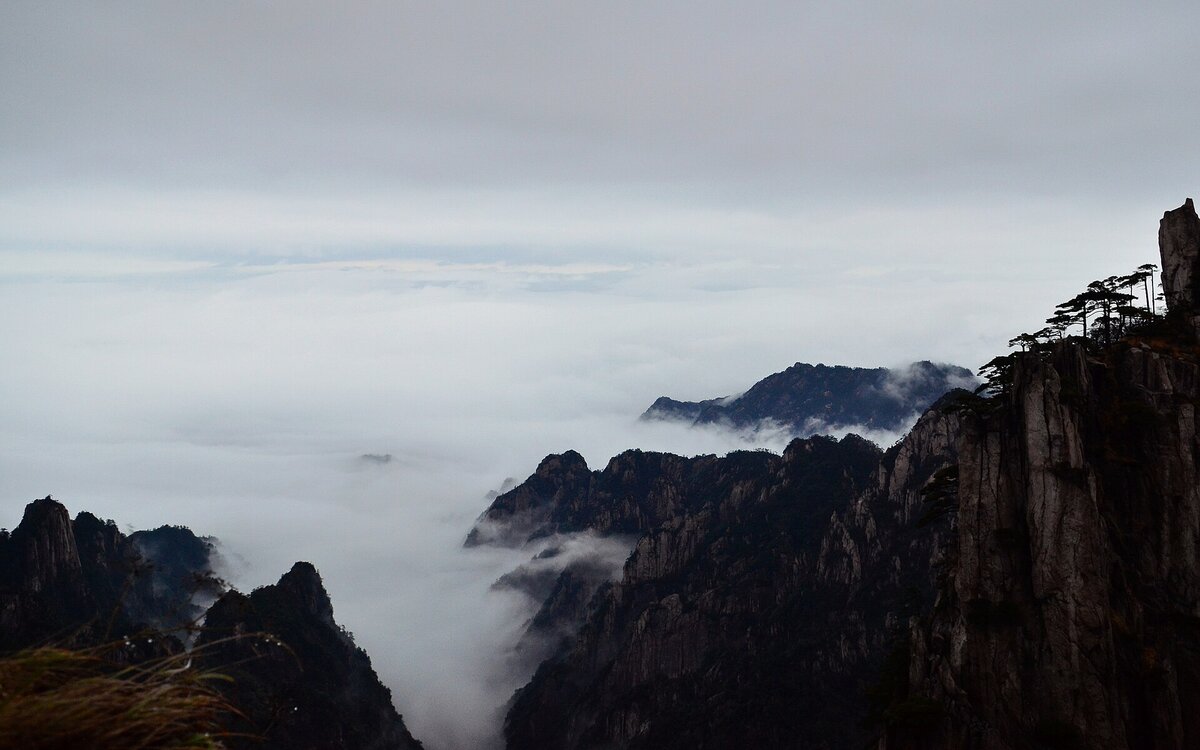
Beyond the Concrete — China isn’t only towers and high-speed rail. A new generation of national parks ties flagship species, river source regions, and tea-country karst into one national experiment. Eddie walks you through why it matters — and how Deep Dive China explores these places with context, not checklist tourism.
Hey there, fellow explorers!
I’m Eddie — a Guilin local with a global soul. I grew up in the karst mountains of Guilin — “China’s Yosemite,” as I like to call it — but my journey took me through Cornell, Europe, and Singapore. Living abroad taught me that the world sees our skyscrapers, but rarely our souls. That’s why I started this channel and founded Asia Deep Dive. I’m here to show you the real China, one conversation and one hidden corner at a time.
Now let’s talk about something that gets my explorer heart absolutely pumping: China’s brand-new national parks. Everyone raves about Yellowstone or Yosemite — China just dropped its own version, and it’s a genuine shift in how habitat and people are wired together at scale.
Eddie’s top picks · 国家公园精选
Why these five landscapes rock my world
Picking favorites is tough, but if I had to highlight what makes these parks gems, here’s the lowdown in one glance:
| National park | Eddie’s vibe check | Iconic resident | Why go |
|---|---|---|---|
| Sanjiangyuan | “Roof of the World” silence | Snow leopard | To feel magnificently small where great rivers begin. |
| Giant Panda | Fluffy ambassadors in habitat | Giant panda | Because… pandas. Need I say more? |
| Northeast Tiger & Leopard | Raw, cold, powerful | Amur tiger | The thrill of a real frontier. |
| Hainan Tropical Rainforest | Island jungle fever | Hainan gibbon | Rare birdsong and saturated greens. |
| Wuyishan | Tea, karst, and Zen | Chinese giant salamander | Nature plus living heritage in one ridge. |
Policy & scale 绿色版图
China’s big green dream: a national park revolution
So why now? China has been upgrading ecology at scale, and these national parks are the crown jewels. Official framing aims to protect a large share of the country’s most important land-based wildlife within managed landscapes — not scattered reserves on a map, but connected stewardship. This isn’t only conservation as slogans; it’s infrastructure for science, enforcement, and community coexistence.
Sanjiangyuan: where Asia’s rivers begin (no, seriously)
Imagine standing where the Yangtze, Yellow, and Mekong headwaters braid across high plateau. That’s Sanjiangyuan on the Qinghai–Tibet Plateau: epic horizons, thin air, and scale that resets your inner noise.
Giant Panda National Park: my fluffy ambassadors
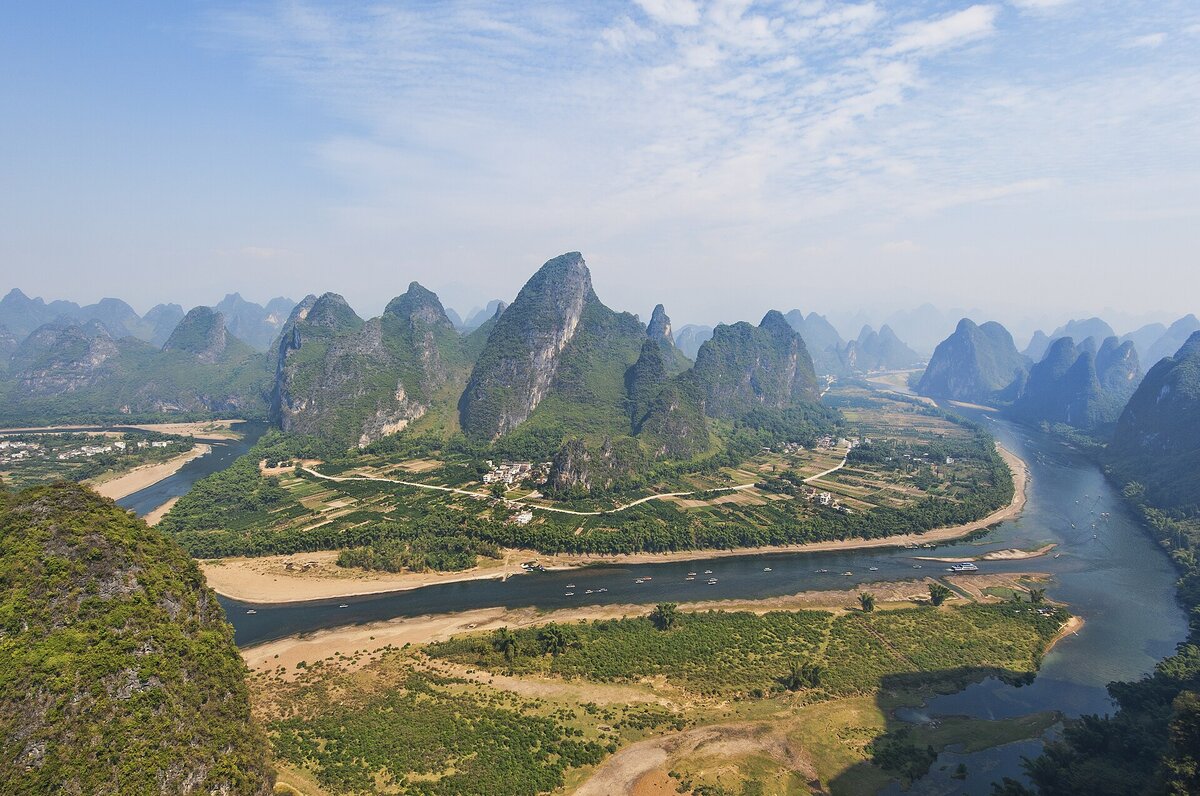
Giant Panda National Park knits fragmented habitat across Sichuan, Shaanxi, and Gansu into a connected vision for bamboo forests and genetics — less zoo, more room for wild behavior. Seeing sign of pandas matters; simply being in honest habitat is already humbling.
Northeast China Tiger and Leopard National Park: the real wild
If you crave wilderness edge, the Changbai-linked corridor along the Russian border is where Amur tiger and rare Amur leopard still negotiate winter forests. Cold, quiet, and unforgiving — the opposite of a theme-park trail.
Hainan Tropical Rainforest National Park: my island escape
Deep in Hainan lies China’s largest intact tropical rainforest block — a biodiversity furnace. The headline species is the Hainan gibbon, among the world’s rarest primates; protecting soundscape here is as important as protecting trails.
Wuyishan National Park: my kind of mountains, my kind of tea
This one feels personal: Wuyishan in Fujian folds UNESCO karst drama into living rock tea culture — ridges, Nine Bend River, and leaf craft in one breath. It’s scroll-painting terrain you can actually walk.
Global context · 对标世界
Yellowstone? Yosemite? Meet China’s new natural wonders
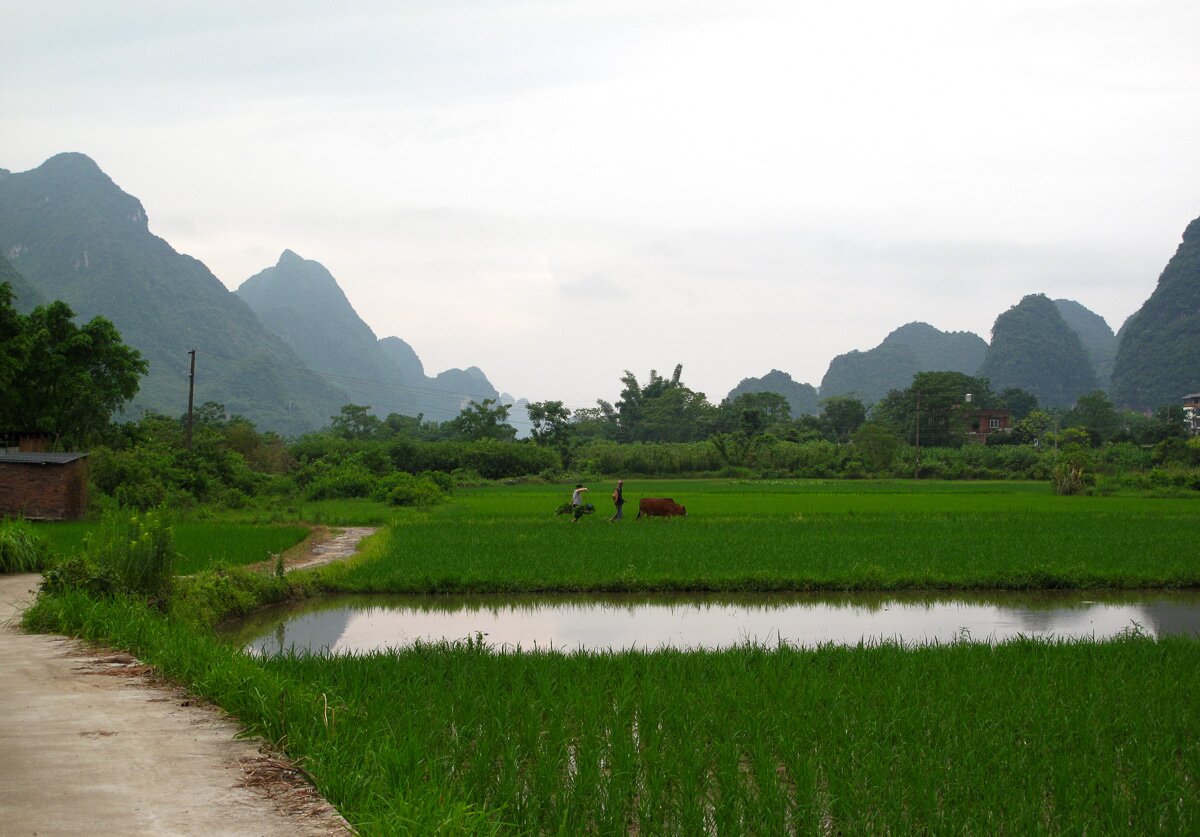
If you’ve hiked the Grand Canyon or inhaled Yosemite valley air — great. China’s first unified national park batch plays in the same league of ambition, with a different cultural stack: village interfaces, flagship species politics, and rapid science investment. Some terrestrial designs cover enormous footprint — think habitat networks, not a single postcard loop.
The flavor is different: raw, research-linked, and socially layered. For travelers who already love serious nature abroad, these parks are the next chapter in a global exploration story — with Mandarin signage and regional noodles.
Deep Dive China: how we explore responsibly
At Deep Dive China, we trade brochure fairy tales for field honesty. When we move through protected landscapes, we keep a simple compact:
- Learn & grow — we don’t only photograph; we connect ecology, history, and policy.
- Leave no trace — trails and villages deserve better than litter ego.
- Support local — guides, drivers, and hosts who actually live in these margins.
Ready to swap tourist traps for the wild heart of China? Reach out — let’s plan a Deep Dive that matches your legs, dates, and curiosity. Browse China’s Mountains field weeks when you’re ready to stack mileage with context.
FAQ
For the curious explorer
When did these parks launch? The first batch under the unified national park branding launched October 2021.
Can I see a wild panda? Rare and never guaranteed — being in honest habitat still reframes what conservation means.
References
- Xinhua. (2021). China establishes first batch of national parks. news.cn
- National Geographic. (2019). China’s new panda reserve network — scale context. nationalgeographic.com
- UNESCO World Heritage Centre. Mount Wuyi. whc.unesco.org