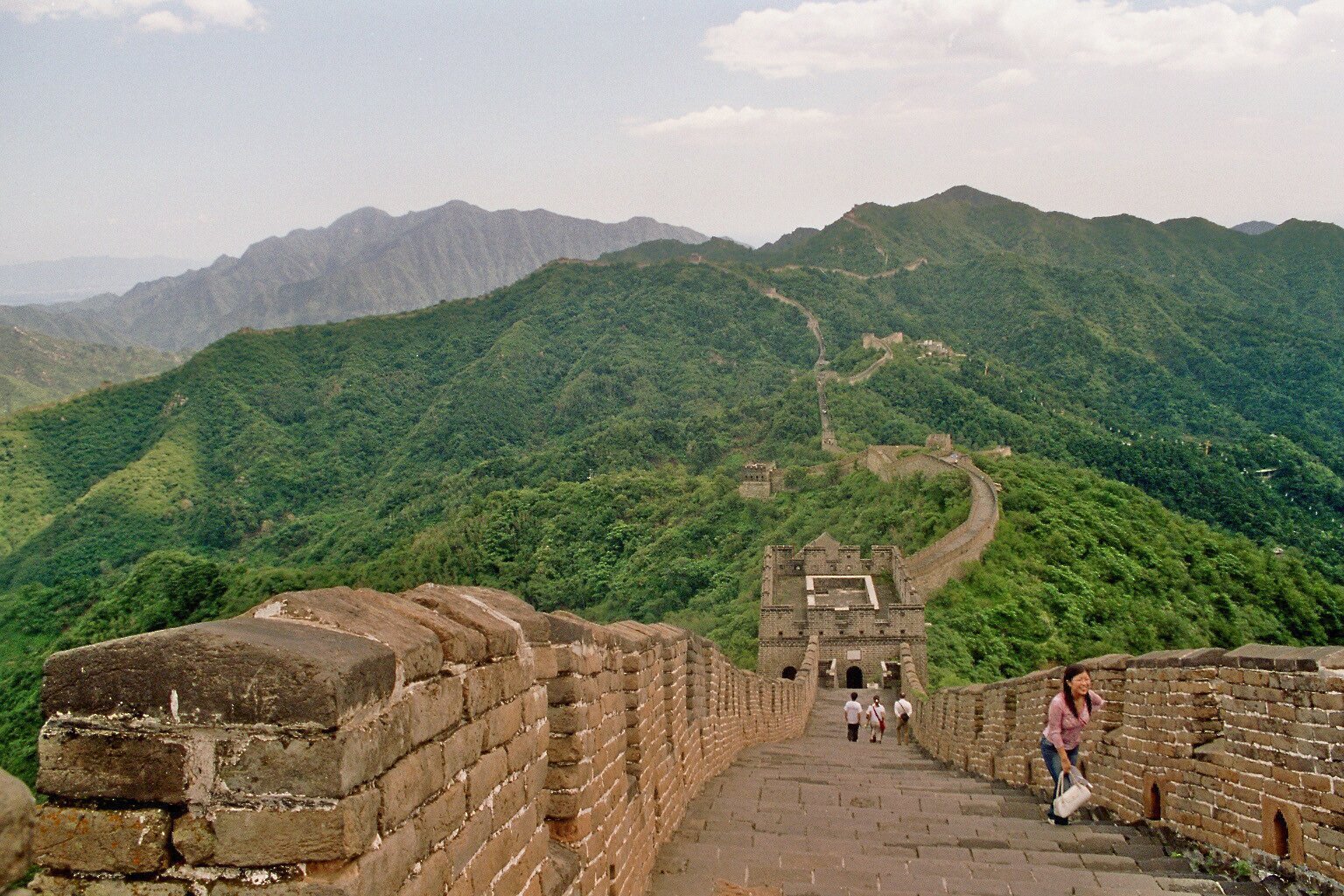
Beijing in 2026 still reads as axis and argument — Forbidden City symmetry, hutong percussion, Mutianyu stone engineering, and Wangjing neon in the same weekly calendar. This Insider’s Look distills how DeepDive travelers move past ticket queues toward spatial literacy and humane pacing.
Editor’s picks
- Temple of Heaven at dawn — tai chi rhythm among Ming cypress.
- Mutianyu Wall with historian framing (avoid Badaling crush when possible).
- Hutong courtyard hospitality in renovated siheyuan.
- 798 as contemporary China’s rust-to-gallery grammar.
Beyond postcard gates
The imperial legacy lives in circulation patterns: axial processing through Tiananmen sequence, altar cosmology at Temple of Heaven, Qing garden-engineering at Summer Palace with its contested Marble Boat parable.
Hutongs as social spine
Houhai and Nanluoguxiang reward off-hour lanes; quieter residential hutongs still carry bell-and-chestnut sensory memory worth protecting from selfie stampedes.
Wall intelligence
Mutianyu balances accessibility; Jinshanling rewards photographers with raw Ming courses. Pair either with defensive storytelling — signal towers, troop logistics, brick signatures.
2026 infrastructure notes
Central Axis UNESCO framing clarifies north–south ceremonial reads; Universal Studios belongs in a different paragraph than imperial ritual — plan multi-day Beijing without collapsing contexts.
Runnable week: China History 101 — Beijing (5 days).
FAQ
- Mobility? Major sites improved lifts and corridors; Wall segments offer cable assists.
- Forbidden City tickets? Timed slots sell out — plan windows; tour operators bundle priority where lawful.
- Air? Autumn clarity beats summer haze roulette.
References
- Beijing Municipal Bureau of Culture and Tourism — official visitor briefings.
- UNESCO. Imperial Palaces of Ming and Qing.